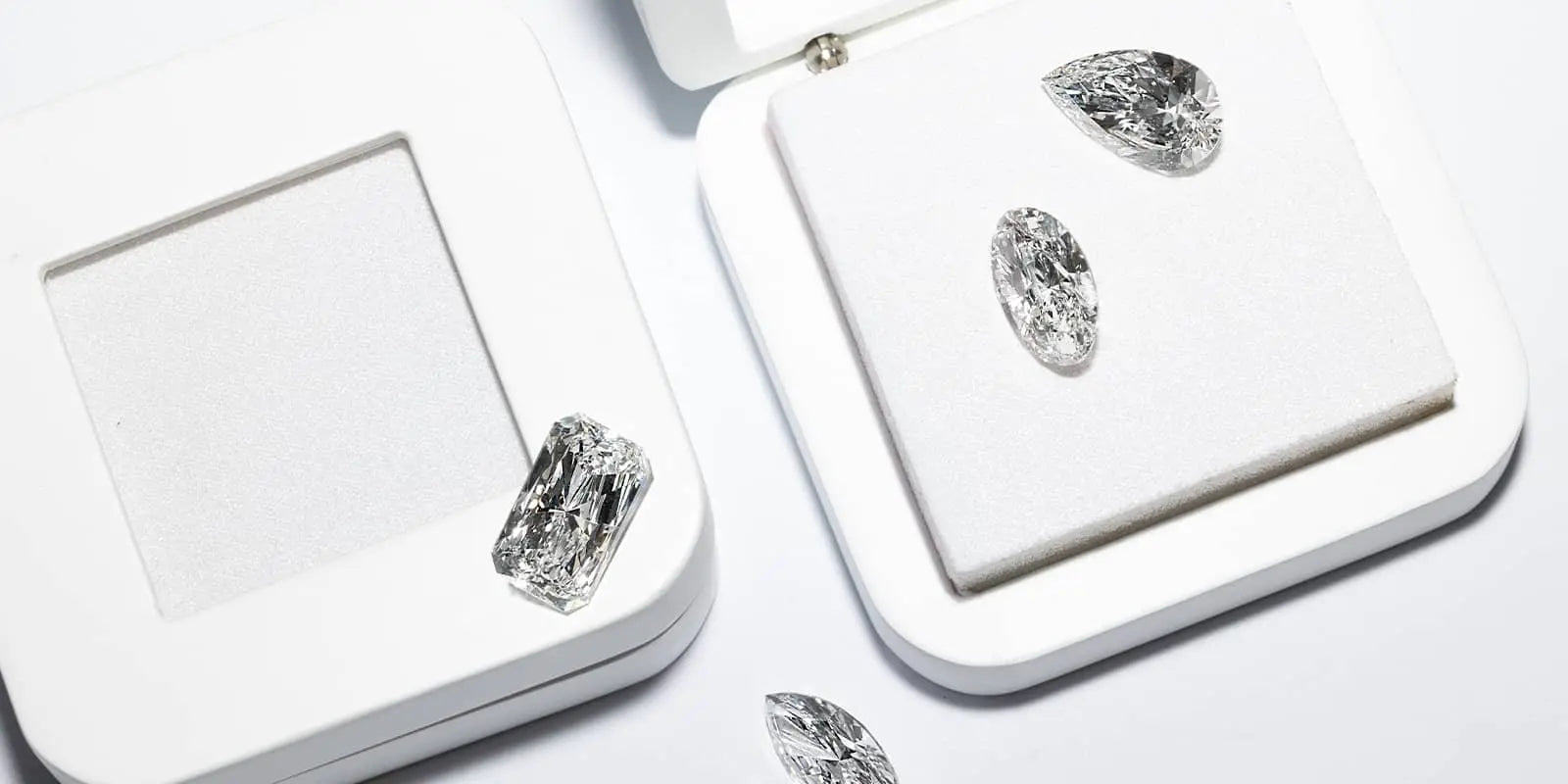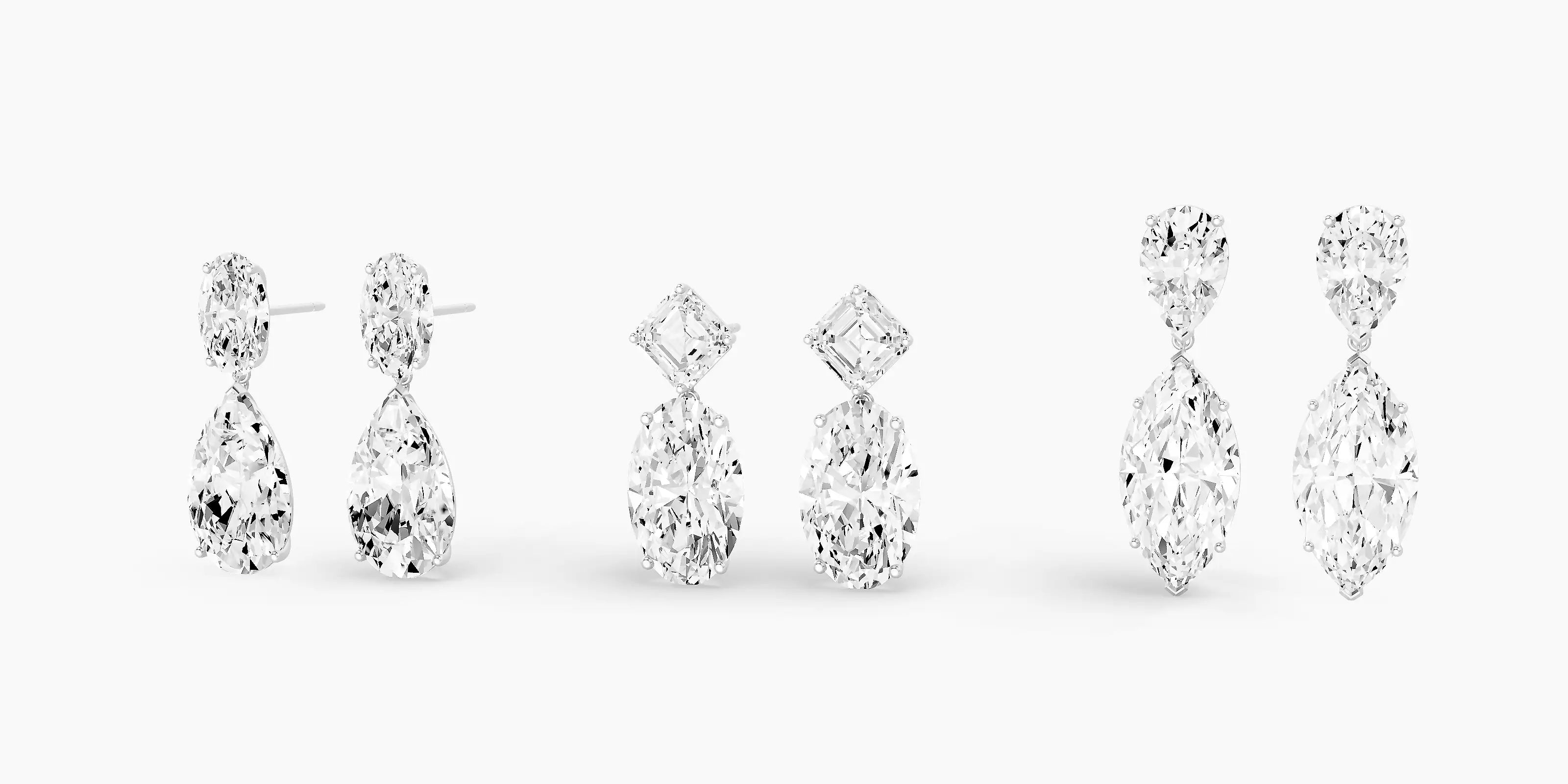
 White Lab Diamond Rings
 Blue Lab Diamond Rings
 Pink Lab Diamond Rings
 Yellow Lab Diamond Rings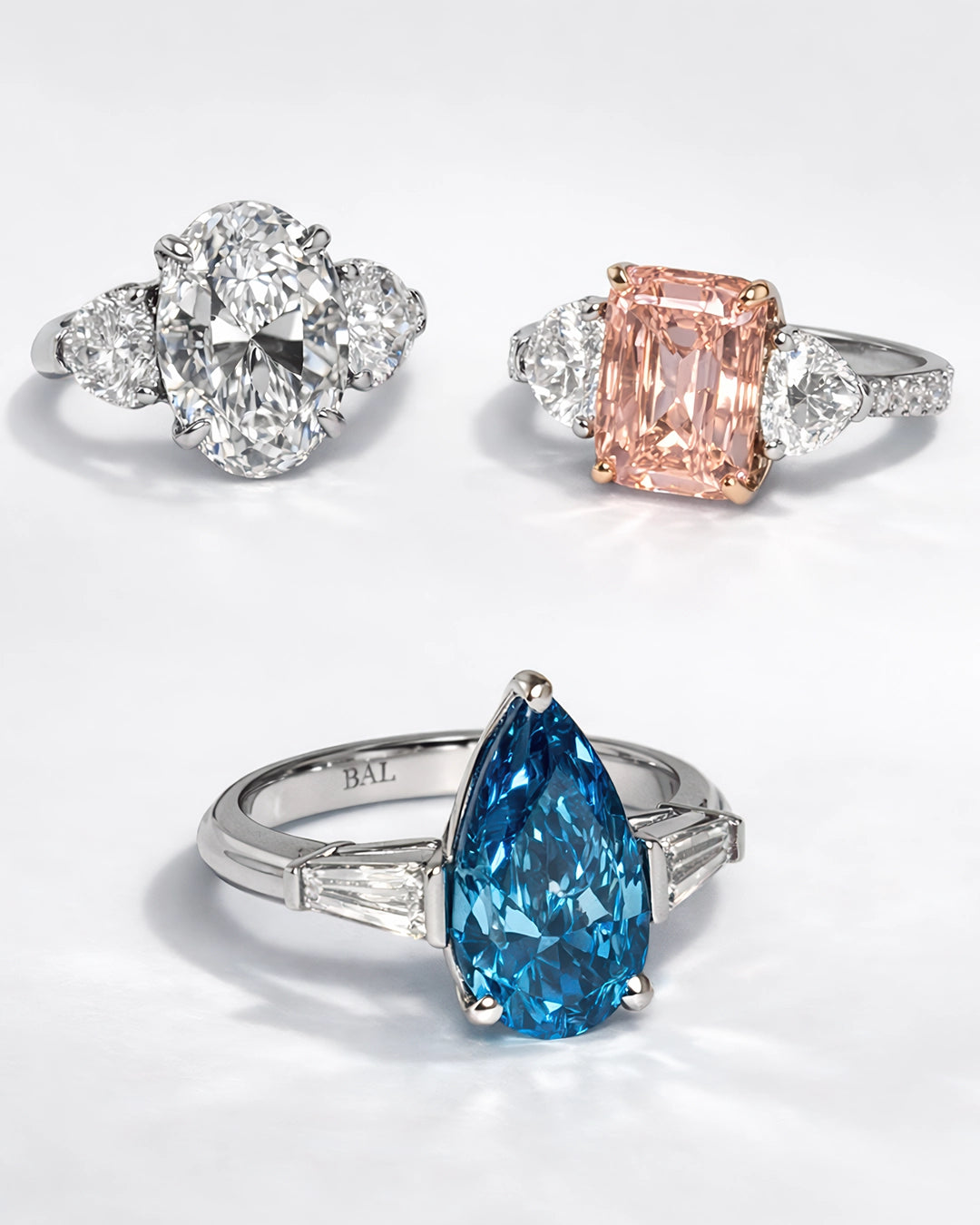

 Round Lab Diamond Engagement Rings
 Oval Lab Diamond Engagement Rings
 Pear Lab Diamond Engagement Rings
 Cushion Lab Diamond Engagement Rings
 Emerald Lab Diamond Engagement Rings
 Radiant Lab Diamond Engagement Rings
 Heart Lab Diamond Engagement Rings
 Marquise Lab Diamond Engagement Rings
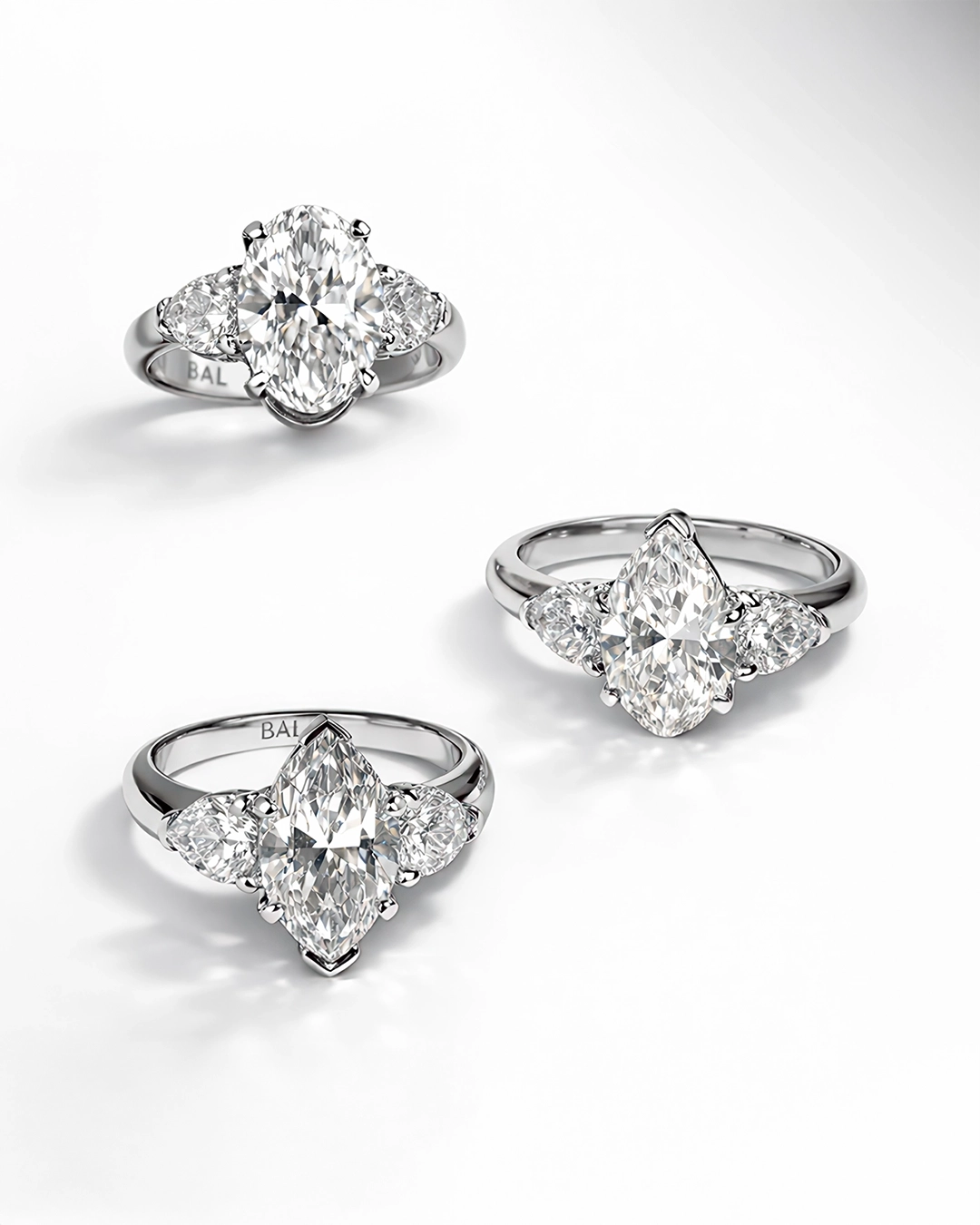
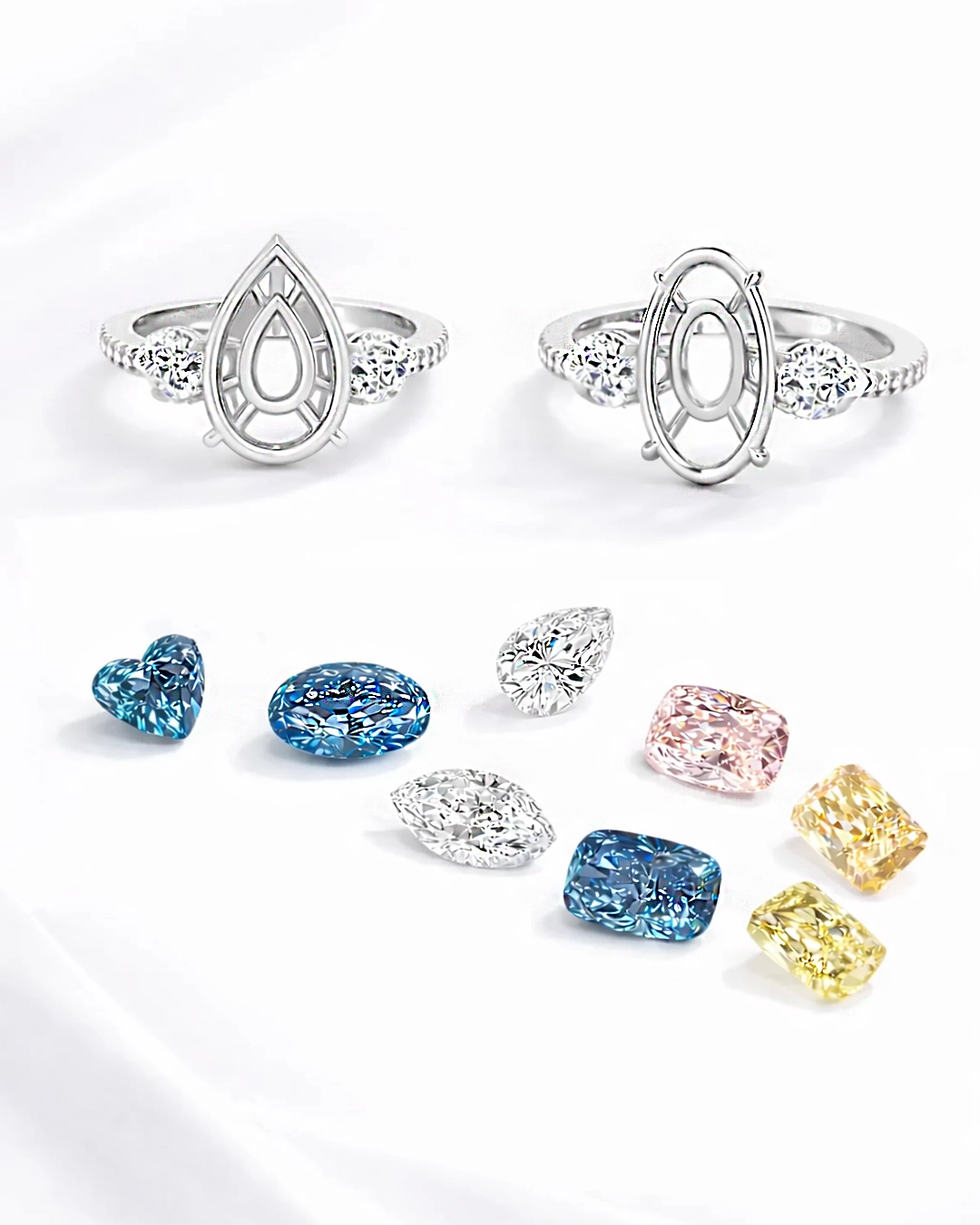
 What are Lab-Grown Diamonds ?
 Lab-Grown vs. Natural Diamonds
 CVD vs. HPHT
 What are the 4Cs?
 How to read a diamond certificate ?
 Fancy Color Grading
 Ring Sizes
 Pendant Lengths
 Bracelet Sizes
 Metals Guide: 14k or 18k Gold?
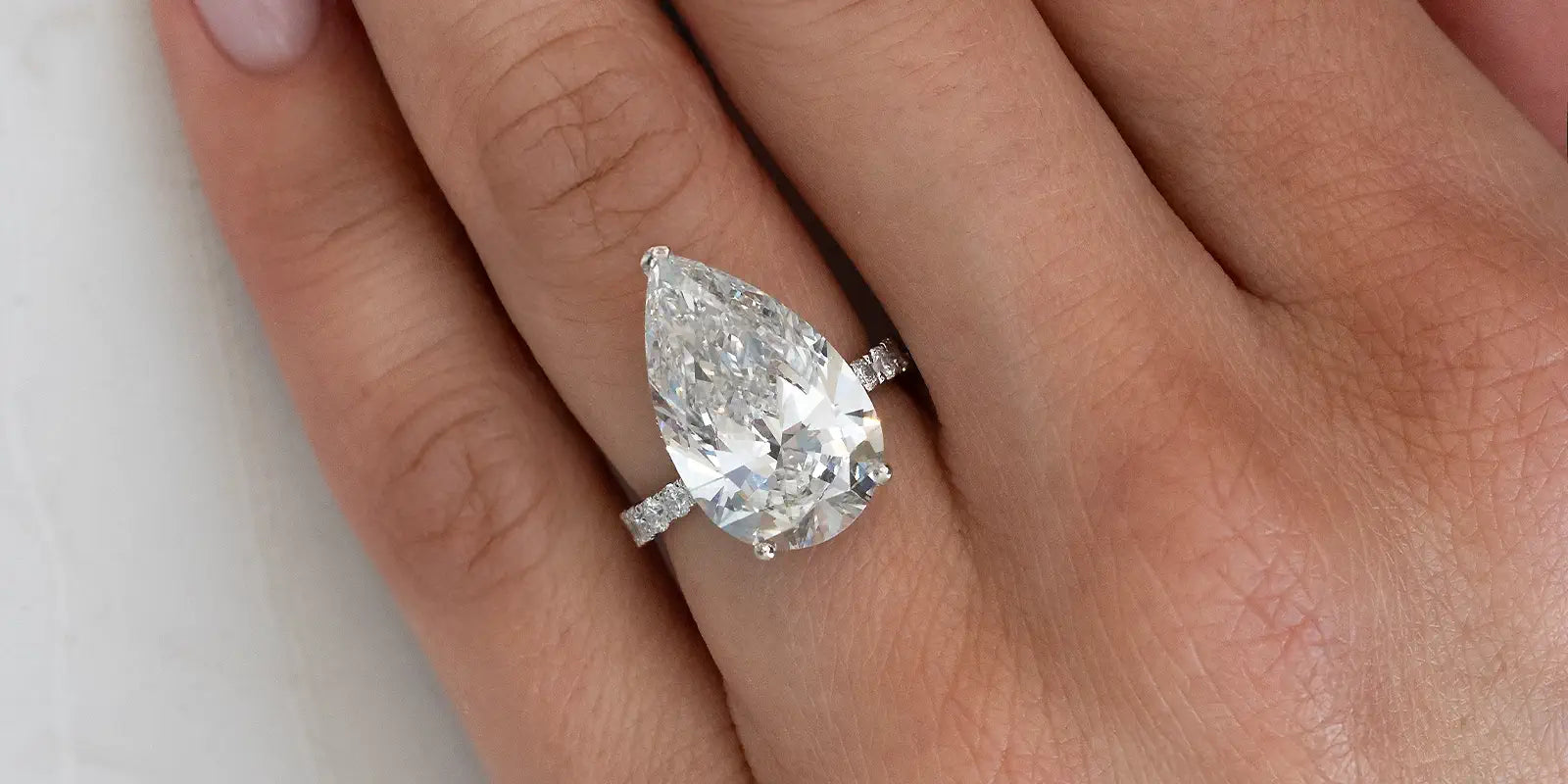
The Real Cost of a Lab-Grown Diamond Engagement Ring
You have probably heard the three-month salary rule. That figure was not born from tradition or financial wisdom. It was created by De Beers through decades of advertising, designed specifically to shape buying behavior. It worked. It also has no bearing on what you should spend.
The right budget is the one that reflects your financial reality, respects the significance of the purchase, and gets the most out of what lab-grown diamonds now make possible. That last part matters more than most buyers realize. Lab-grown diamonds have fundamentally changed what is accessible at every price point. A stone that would have been out of reach five years ago is now within reach for anyone who understands what to look for.
This guide explains exactly that.
What Actually Drives the Price in 4 Points
Two engagement rings can look nearly identical in a photograph and carry a price difference of three to five times. Understanding why is the most useful thing you can do before you start shopping.
1. The gold
All BÄL pieces are made in 18k gold, nickel-free and hypoallergenic. 18k gold is 75% pure gold, harder and more durable than 22k or 24k, and richer in color and luster than 14k. But karat is only part of the story. The weight and engineering of the mount matters just as much.
A well-built engagement ring has a shank thick enough to resist flexing over years of daily wear, and prongs calibrated to hold a stone securely without looking heavy. That requires more material and more precision. The gold you cannot see is part of what separates a ring that lasts a lifetime from one that does not.
2. Stone selection
Two lab-grown diamonds can carry the same certificate and grade identically on paper. They will not look identical in natural light. Grading laboratories assess stones within ranges, and a stone at the top of a VS1 grade and one at the bottom both carry the same report. Under real light, with actual cut angles and depth interacting in three dimensions, they perform completely differently.
Volume retailers purchase stones in bulk against a grade and a margin target, not against visual performance. A diamantaire selecting stones one by one, in natural light, against strict criteria for how they actually perform: that is something categorically different. At BÄL, every stone is hand-selected by our diamantaires for cut, proportions, color, clarity, fluorescence, and light performance before it enters the collection. That process is reflected in the price and in the result.
3. Made to order versus shelf stock
Most rings listed online already exist. They were produced in advance, in standard configurations, sitting in inventory waiting for a buyer. That model can lower the retail price. It also means the ring was never made for her.
A made-to-order ring is built after you place the order, to your exact configuration. Stone shape, carat weight, metal color, setting style: every element a deliberate choice. Nothing in the design was a compromise made for a generic customer, because there was no generic customer.
4. Atelier versus brand overhead
A globally recognized jewelry brand prices in the cost of its recognition: flagship boutiques, large retail teams, international advertising, heritage storytelling. Those are real costs, and they are built into every ring whether they add to the quality of the piece or not.
A design-led atelier with a private appointment model and transparent pricing works from a different cost structure. Less overhead passed to the buyer. More of your spend going into the ring itself.
Shop our Lab Diamond Engagement Rings
The 4Cs: Your Decision Tool
The 4Cs determine how much visual performance you get for your budget. Here is what each one means in practice, and where lab-grown diamonds change the equation.
Carat

Carat measures weight, not diameter. A well-cut 1.00 ct will typically appear larger than a poorly cut 1.20 ct. Before prioritizing carat weight, make sure the cut is doing its job. Visual presence comes from light performance, not raw mass.
Color

The color scale runs from D (colorless) to Z (light yellow). The difference between a D and a G is visible to the naked eye and has a meaningful impact on price. Lab-grown diamonds consistently produce at higher color grades than the average mined stone. The majority of quality lab-grown diamonds on the market today grade at D, E, or F. Exceptional color that would be out of reach at mined diamond prices is accessible as standard.
Clarity

The practical target is an eye-clean stone, where inclusions are not visible to the naked eye. Laboratory growing technology produces diamonds at significantly higher clarity grades than mining typically yields. VVS2 to VS1 is the norm rather than the exception for quality lab-grown stones. You are not compromising on clarity. You are benefiting from a more consistent production environment.
Cut

Cut is the most important decision you will make. It controls light return, brilliance, and the fire that makes a stone appear alive on the hand. A well-cut diamond draws attention regardless of size. A poorly cut stone looks flat at any carat weight. Do not compromise here.
Fancy shapes, oval, pear, marquise, cushion, radiant, offer more visual surface area per carat than a round brilliant at the same weight, and typically at a lower price point. A well-cut oval can appear 10 to 15% larger than a round of identical carat weight. That is one of the strongest value decisions available.
Check IGI Page to Learn More About the 4Cs.
Choosing a Style: The Ring, Not Just the Stone
The stone gets most of the attention. The setting determines how it sits on the hand, how it photographs, and what it communicates about the person wearing it. Understanding the main styles before you start shopping will make the conversation with a diamantaire significantly more productive.

Solitaire
A single center stone, held by a prong or bezel setting, with a plain or paved shank. The most enduring engagement ring format for a reason: the design puts the stone first and removes every distraction. A solitaire works with any shape and rewards a well-cut stone, since there is nothing else in the frame. If she gravitates toward clean lines and lets the diamond do the talking, this is typically the right direction.

Diamond Band
A shank set with diamonds along the band, often with a more substantial center stone. The band contributes to the overall presence of the piece and adds brilliance around the finger. This style suits clients who want the ring itself to read as a full design object, not just a setting for a stone.

Halo
A center stone surrounded by a frame of smaller diamonds, which increases the apparent visual size of the piece without increasing the carat weight of the center stone. The halo adds brilliance and presence, and works particularly well with round, oval, and cushion shapes. A practical choice for clients where visual impact is the priority and budget is structured.

Trilogy
Three stones across a shared shank, typically a larger center stone flanked by two side stones of matching or complementary shape. The format allows for genuine design decisions on both the center stone and the shoulders, and the side stone selection is where character enters the design.
At BÄL, trilogy settings are offered with a considered range of side stone options: Bullet, Cadillac, Trapeze (in both brilliant and step-cut), Tapers, Hearts, Pears, Half-moons (in both brilliant and step-cut), and Shield. Each shape creates a different visual relationship with the center stone.

Toi et Moi
Two stones of equal or complementary size, set side by side on a shared band. The style has a long history and a distinctly modern revival. It reads as intentional, design-led, and non-conventional. For clients who want an engagement ring that does not look like every other engagement ring, this is one of the strongest directions available.
It also opens up the conversation around mixed shapes and mixed colors. A round white diamond alongside a fancy-cut pink lab-grown stone, for example, in a format that is built for that kind of contrast. Bold, precise, and genuinely distinctive.
Step-cut side stones such as Trapeze, Half-moon, and Cadillac create a more architectural, graphic look. Brilliant-cut options add fire and softness to the shoulders. The side stone choice is rarely discussed in generic jewelry guides. At this level, it should be.
Most Popular Side Stone Shapes
HEART
|
PEAR
|
HALF MOONS
|
TAPERS
|
TRAPEZE
|
CADILLAC
|
BULLETS
|
SHIELDS
|
TRILLION
|


Shop our Lab Diamond Engagement Rings
White Is Not the Only Option

Lab-grown yellow, pink, and blue diamonds offer a bold, design-led alternative that is hard to overlook. Vibrant, precisely graded, and genuinely distinctive. Colored lab diamonds are graded by intensity: Fancy Light, Fancy, Fancy Intense, Fancy Vivid. The higher the intensity, the more saturated and visually striking the stone.
Mined colored diamonds of comparable quality carry prices that put them out of reach for most buyers. Lab-grown alternatives make the choice a practical one, not a distant aspiration. A pink or blue lab-grown diamond engagement ring is no longer exceptional for its price. It is exceptional for what it is.
Why the Certificate Matters

An independent certificate is the documentary proof of everything a diamond is claimed to be. It confirms the 4Cs, confirms the lab-grown origin, and is issued by a laboratory with no commercial stake in the transaction.
IGI and GIA are the two most widely recognized grading bodies for lab-grown diamonds. For any significant purchase, third-party certification is non-negotiable.
At BÄL, all stones above 1.00 ct are independently certified as standard.
How to Choose: A Practical Checklist
- Start with cut. Visual performance on the hand is determined almost entirely by how a stone is cut. A better-cut stone at a smaller carat weight will consistently outperform a larger poorly cut one. This is not an opinion. It is physics.
- Consider a fancy shape. Oval, pear, and marquise diamonds often appear larger than rounds of the same carat weight, giving you more visible size for the same spend.
- Choose a setting that works with the stone. Shank thickness, prong dimensions, and overall weight determine how the piece sits on the hand and wears over time. Ask how the setting is engineered, not just how it looks.
- Know the style before you start. Solitaire, halo, trilogy, diamond band, toi et moi: each creates a different visual result and a different conversation with a diamantaire. Having a direction saves time and sharpens the brief.
- For trilogy rings, think about the shoulders. The side stone shape changes the whole character of the piece. Step-cut options read as architectural. Brilliant-cut options add warmth and movement. Ask to see examples.
- Verify the certificate. Every stone you are seriously considering should have an IGI or GIA certificate. Ask to see it. If a retailer hesitates, move on.
- Have the conversation. Many couples discuss ring preferences openly and find it removes stress from the entire process. If you want to keep the surprise, her close friends or sister will almost certainly know her taste. The most useful questions: yellow, white, or rose gold? Round or fancy shape? Minimal or detailed setting? Low-profile for daily wear or a statement piece?
-
Consider building your own. The Build Your Own option at BÄL lets you select your setting, stone shape, carat weight, and metal type independently, including white, yellow, pink, or blue lab-grown diamonds. Full control over where your budget goes. A larger stone with a cleaner setting, or an elaborate design with a slightly smaller center stone: the choice is yours, and the result is a ring built entirely around your brief.