
 White Lab Diamond Rings
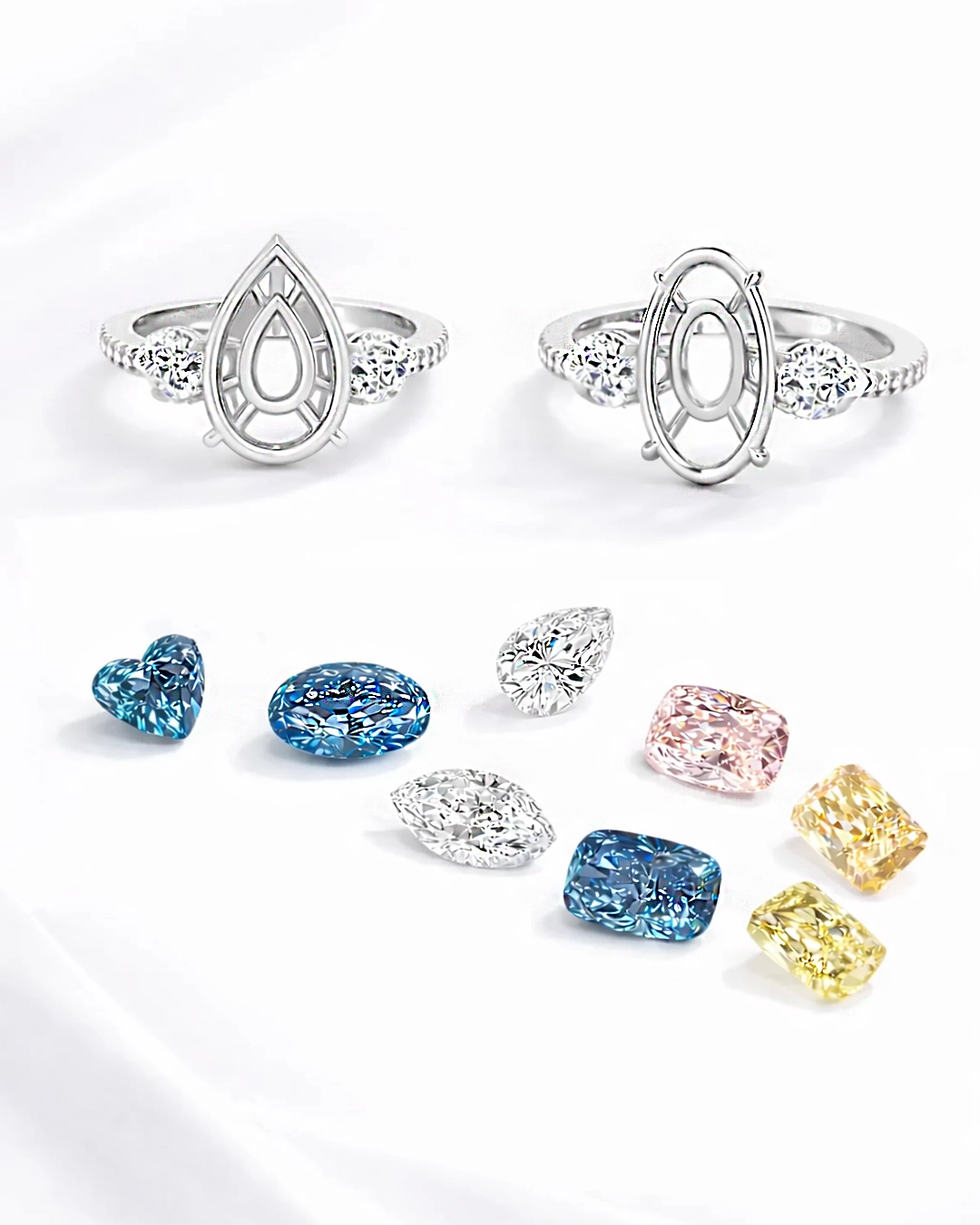
 Blue Lab Diamond Rings
 Pink Lab Diamond Rings
 Yellow Lab Diamond Rings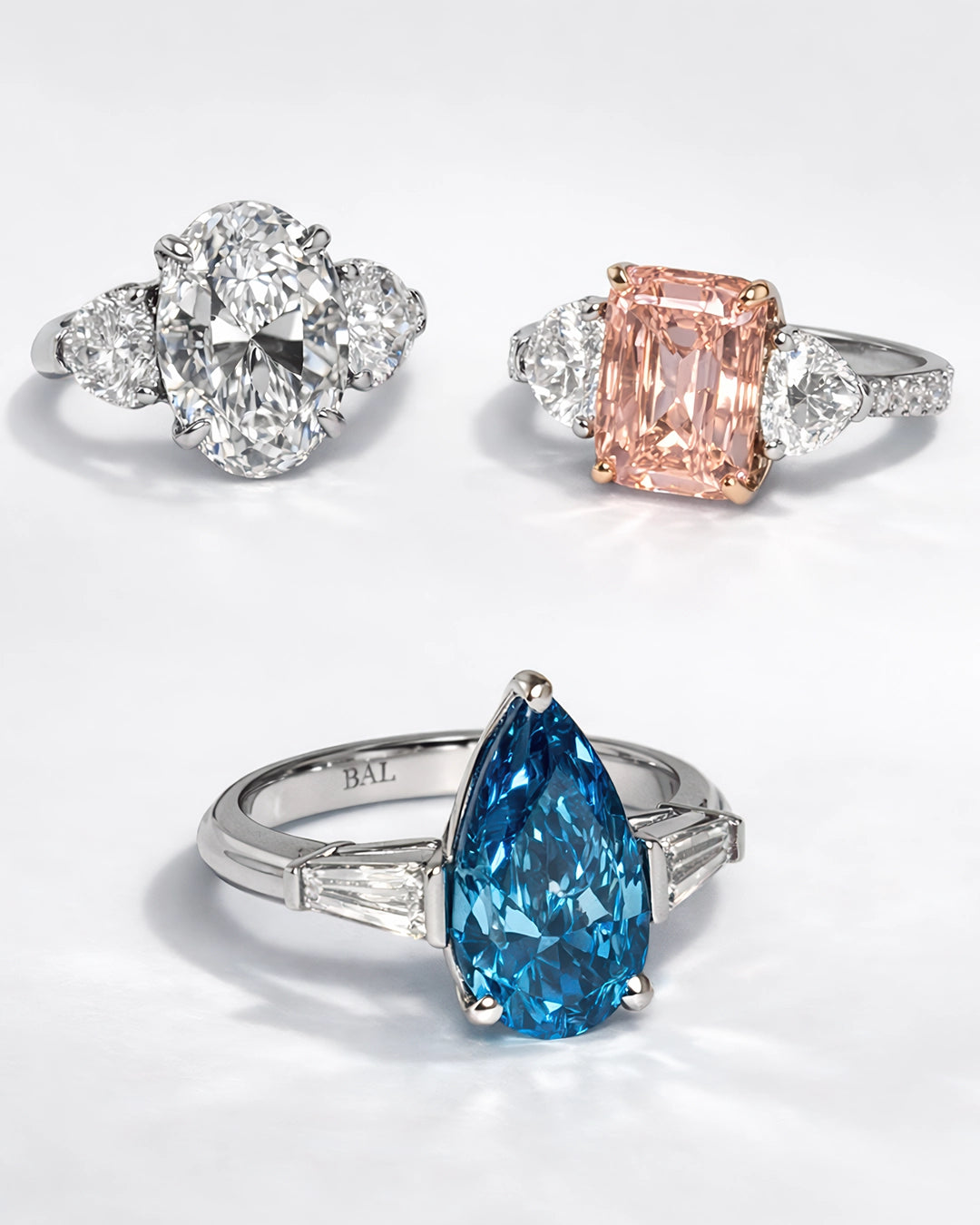

 Round Lab Diamond Engagement Rings
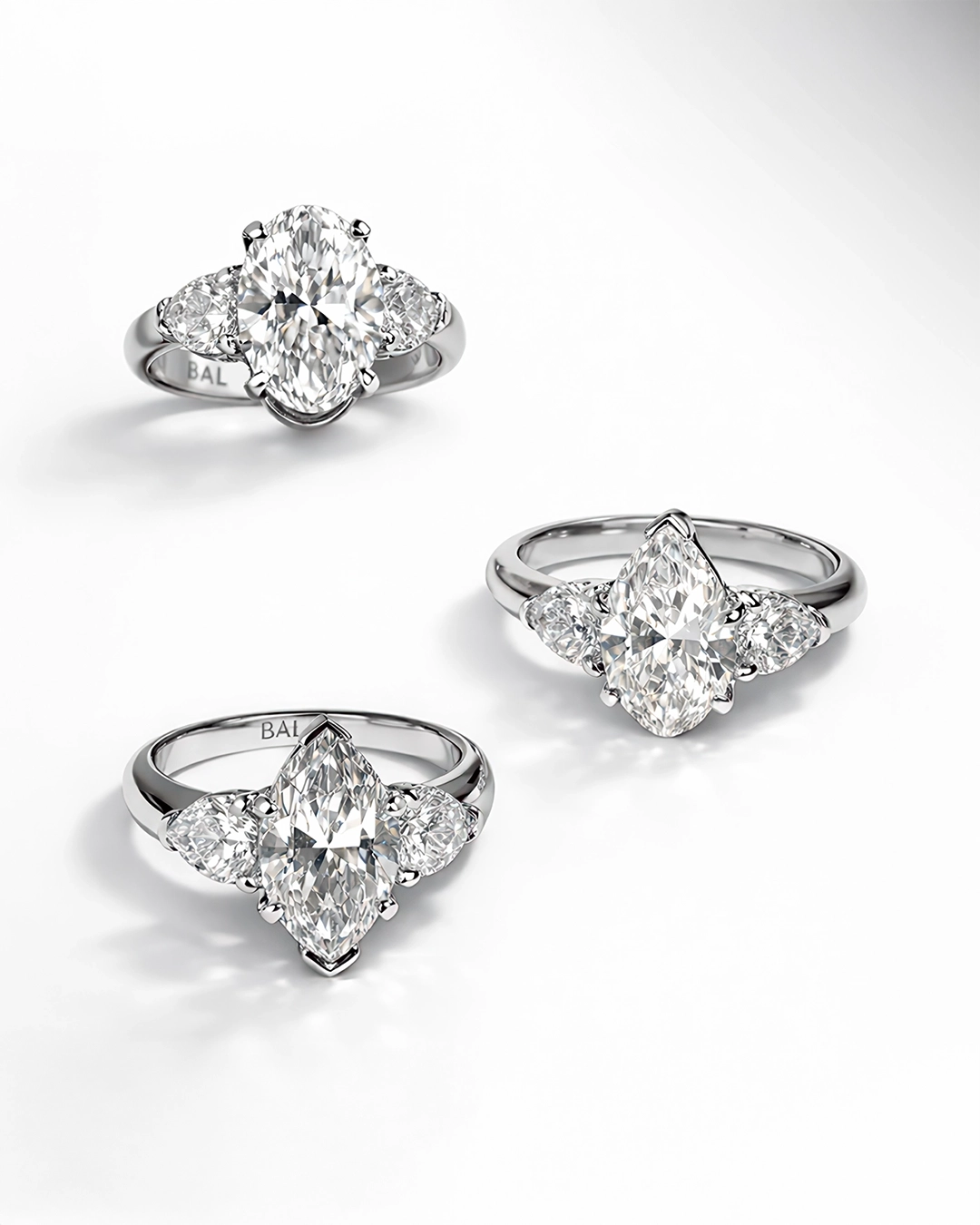
 Oval Lab Diamond Engagement Rings
 Pear Lab Diamond Engagement Rings
 Cushion Lab Diamond Engagement Rings
 Emerald Lab Diamond Engagement Rings
 Radiant Lab Diamond Engagement Rings
 Heart Lab Diamond Engagement Rings
 Marquise Lab Diamond Engagement Rings
 What are Lab-Grown Diamonds ?
 Lab-Grown vs. Natural Diamonds
 CVD vs. HPHT
 What are the 4Cs?
 How to read a diamond certificate ?
 Fancy Color Grading
 Ring Sizes
 Pendant Lengths
 Bracelet Sizes
 Metals Guide: 14k or 18k Gold?
Colored Lab-Grown Diamonds
Color has always expressed emotion, individuality, and style.
With lab-grown technology, it’s now possible to create rare, vivid diamonds that were once reserved for collector at a fraction of the cost.
At BÄL Diamonds, we specialize in certified colored lab-grown diamonds, combining science, art, and design to make extraordinary color accessible.

What Are Colored Lab-Grown Diamonds?
Colored lab-grown diamonds are real diamonds, identical in composition to colorless stones the only difference is the presence of trace elements or controlled conditions during growth that influence their hue.
They exhibit the same brilliance, hardness, and durability as traditional diamonds, but open a world of creative possibilities.
Learn the basics: What Are Lab-Grown Diamonds?
How Are Colors Created?
Color in diamonds forms when specific atoms or environmental conditions affect how light interacts with the crystal.
In labs, this process is replicated with precision, allowing for a range of natural hues from soft champagne tones to vivid fancy pinks.
Here’s how the main colors are achieved:
|
COLOR |
HOW IT'S CREATED |
|
PINK & RED |
Adjusting crystal growth pressure or using post-growth treatments that alter lattice structure |
|
BLUE |
Adding trace elements of boron during growth |
|
YELLOW |
Introducing nitrogen atoms into the carbon structure |
|
GREEN |
Natural or lab-simulated exposure to low radiation |
|
BLACK |
Dense inclusions or controlled impurities |
|
CHAMPAGNE & COGNAC |
Slight variations in nitrogen concentration |
Each stone's color is stable, permanent, and certified.
Discover next: Fancy Color Grading
The Beauty of Rarity, Reimagined
Natural colored diamonds especially pink and blue are among the rarest gems on Earth, often costing tens or hundreds of thousands per carat.
Lab-grown diamonds make these exquisite hues accessible, while maintaining purity, brilliance, and ethical creation.
💡 Example:
A 2ct vivid pink natural diamond can exceed $200,000 while a 2ct lab-grown pink diamond of the same intensity may cost under $10,000.
Why Choose Colored Lab-Grown Diamonds
- Unique expression: no two shades are alike
- Real diamonds: identical durability and sparkle
- Ethical & sustainable: no mining, no conflict
- Exceptional value: access rare colors at fair prices
- Certified quality: each stone graded by IGI or GIA
Learn about certification: How to Read a Diamond Certificate
Explore next:
Pink Lab-Grown Diamonds
Blue Lab-Grown Diamonds
Yellow Lab-Grown Diamonds
Green Lab-Grown Diamonds

How Colored Diamonds Are Graded
Colored diamonds are graded differently than colorless ones.
Instead of D–Z, they’re classified by Hue, Tone, and Saturation:
- Hue: The basic color (pink, blue, yellow, etc.)
- Tone: How light or dark the color appears
- Saturation: The intensity or vividness of the color
Example: Fancy Vivid Blue represents the deepest, most striking intensity level.
Learn more: Fancy Color Grading Explained

Matching Colors with Metal
Pairing your diamond with the right metal enhances its personality:
- Rose Gold: Highlights pink and champagne tones
- White Gold: Amplifies blue and yellow diamonds’ brilliance
- Yellow Gold: Complements green and warm fancy hues
💡 BÄL Tip: For maximum color contrast, choose white gold with vibrant stones or rose gold for romantic shades.
Explore metal options: 14k vs 18k Gold Guide

Certification & Authenticity
All colored lab-grown diamonds from BÄL DIAMONDS are certified by IGI or GIA, detailing their color, intensity, and growth method (CVD or HPHT).
Each comes laser-inscribed and verified for full transparency.
See how to read your certificate: How to Read a Diamond Certificate
Need help?
FAQ
Yes. They are 100% real diamonds — the color is created naturally during growth, not added afterward.
No. The color is stable and permanent, identical to naturally occurring fancy diamonds.
Yes. You can choose from soft pastel tones to vivid fancy grades in most colors.
Lab-grown colored diamonds are often 50–90% more affordable than natural fancy diamonds of similar color.